
For fashion brands, retailers, and distributors, adding premium leather gloves to your winter collection is a proven way to boost revenue and brand prestige. However, sourcing the right products requires more than just looking at a catalog. The difference between an average glove and a luxury piece lies in the details: the hide, the lining, and the craftsmanship.

If you are looking to source high-quality leather accessories for your brand, this comprehensive guide will help you navigate the sourcing process and make informed purchasing decisions that align with your market positioning.
1. Understand Your Leather Grades
Not all leather is created equal. When sourcing gloves, the raw material is the most critical factor in determining durability, flexibility, and the overall tactile experience for the end consumer.
Full-Grain Leather: The highest quality available. It retains the natural grain of the hide, offering maximum durability and breathability. Over time, it develops a beautiful patina, making it highly sought after for luxury collections.
Top-Grain Leather: Slightly thinner and more pliable than full-grain, it has a sanded surface to remove imperfections. It offers a premium look and excellent flexibility, making it the most popular choice for high-end fashion gloves.
Split Leather & PU: While split leather is genuine, it lacks the smooth finish and strength of top-grain. PU (Polyurethane) is purely synthetic. While budget-friendly, they are generally not recommended for premium brand positioning.
2. Pay Attention to the Lining Materials
A glove's exterior provides the style, but the lining dictates the comfort and warmth. Your choice of lining material should align closely with your target market's climate and price point.
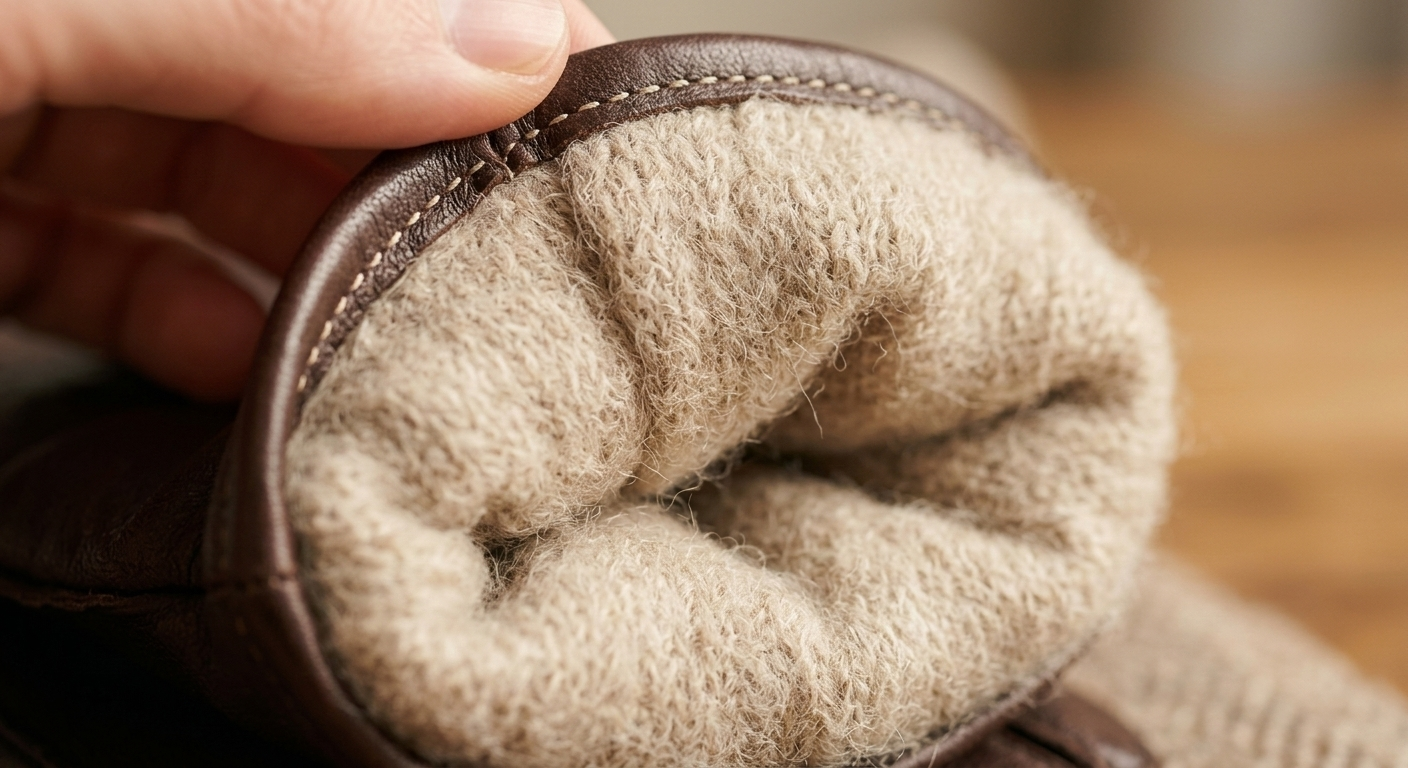
Cashmere: The ultimate luxury. Cashmere linings provide exceptional warmth and an incredibly soft feel without adding bulk, perfect for high-end executive or dress wear.
Wool & Fleece: Excellent for everyday winter gloves. They offer great insulation and durability at a more accessible price point for mass-market retail.
Unlined: Ideal for driving gloves or mild climates, allowing for maximum dexterity and a second-skin fit.
3. The Importance of Stitching and Craftsmanship
Examine the stitching techniques when evaluating a potential supplier. Consistent stitch tension and perfectly matched thread colors are hallmarks of a high-quality product.
Standard stitching styles include Inseam (stitches are hidden inside for a sleek silhouette) and Outseam/Prixseam (stitches are visible on the outside for a more rugged, casual, or sporty look).
4. Why Partner with a Direct OEM/ODM Manufacturer?
Working with a direct supplier offers significant competitive advantages for B2B buyers:
Quality Control: Direct oversight of the entire production line ensures that every batch meets strict quality standards before shipping.
Customization (OEM/ODM): From custom hardware and embossed logos to specific leather dyeing to match your brand's Pantone colors, a direct supplier can accommodate bespoke requests that brokers often cannot.
Competitive Pricing: Eliminating trading markups ensures better margins for your retail or wholesale business.
Elevate Your Winter Collection
Sourcing premium leather gloves is an investment in your brand's reputation. By partnering with an experienced manufacturer who understands the nuances of leather crafting, top-grain selection, and high-end linings like cashmere, you can deliver exceptional value to your customers.
Ready to upgrade your accessory line?
Contact finertechs.com today to explore our OEM/ODM capabilities, request specific samples, or organize a virtual meeting with our team in Hebei.